Regarding the "Intel Download Center" aspect of the search query:
Once patched, your Windows 7 USB installation media will successfully recognize modern hardware inputs, allowing you to complete your legacy OS setup smoothly. Quick questions if you have time: Was the technical depth right? What else should we link to?
Actively maintained, safe, and handles both ISO downloading and driver injection in one step. 2. Motherboard Manufacturer Tools windows 7 usb 30 creator utility intel download center top
The tool would then use a DOS command line window to deploy and unmount the updated image. Top Alternatives and Modern Workarounds
The Intel Windows 7 USB 3.0 Creator Utility is a lightweight, official tool from Intel. Its sole purpose is to solve a specific compatibility issue: integrating USB 3.0 drivers into a Windows 7 installation image. By automatically injecting these drivers into the boot.wim and install.wim files on your bootable USB drive, the utility modifies the installer so it can communicate with USB 3.0 ports. This simple step allows you to proceed with the operating system installation without being stuck at the first screen. Regarding the "Intel Download Center" aspect of the
Look for a result matching:
Most manufacturers of Intel 100/200 series motherboards (ASUS, Gigabyte, MSI) provided their own versions of this utility (e.g., "ASUS EZ Installer", "GIGABYTE Windows USB Installation Tool"). These are often more reliable than the discontinued Intel tool. 3. Manual Injection (DISM) Actively maintained, safe, and handles both ISO downloading
The original page on the Intel Download Center is no longer active for this specific tool.
When it was available, the tool automated a complex manual process: It required a pre-existing Windows 7 bootable USB drive www.3verhigher.com It modified the install.wim
Installing Windows 7 on modern hardware often stalls at the language selection screen. Your USB keyboard and mouse stop working, or the installer demands a missing CD/DVD drive network driver. This happens because the native Windows 7 installation media lacks built-in USB 3.0 (eXtensible Host Controller Interface or xHCI) drivers.
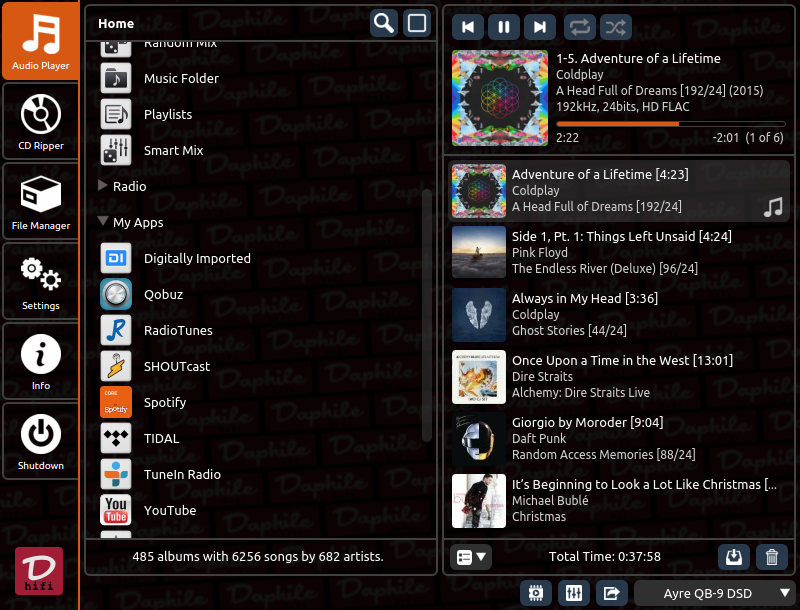
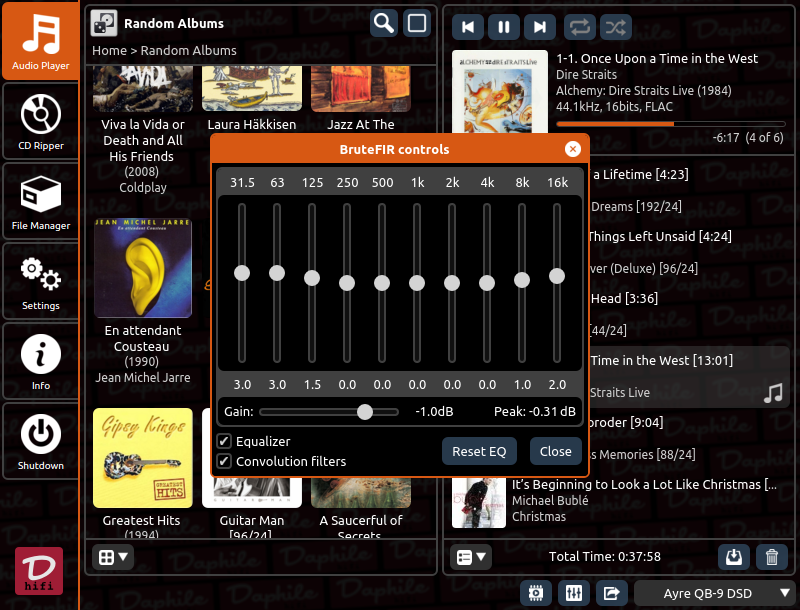
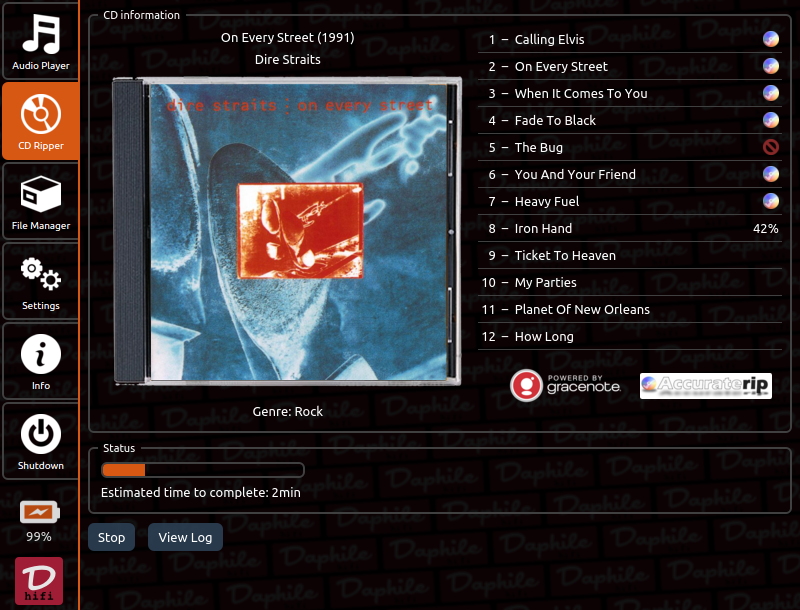
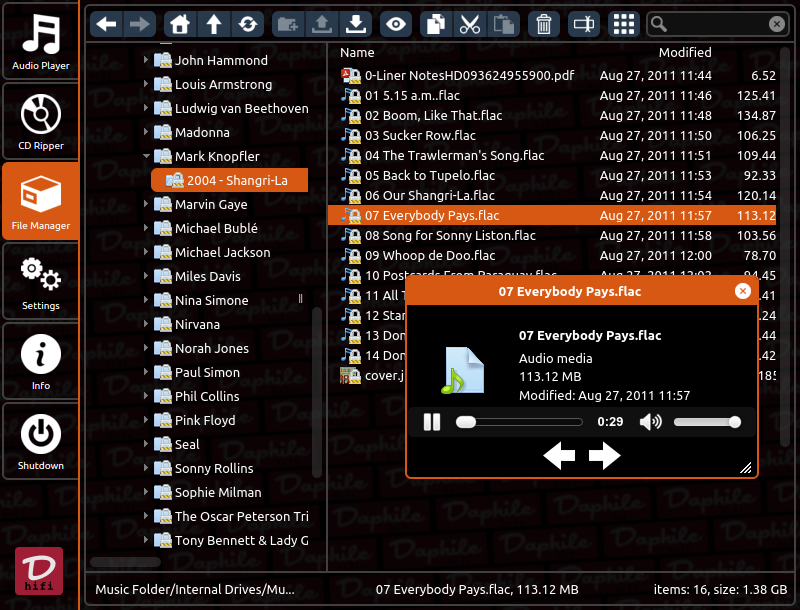
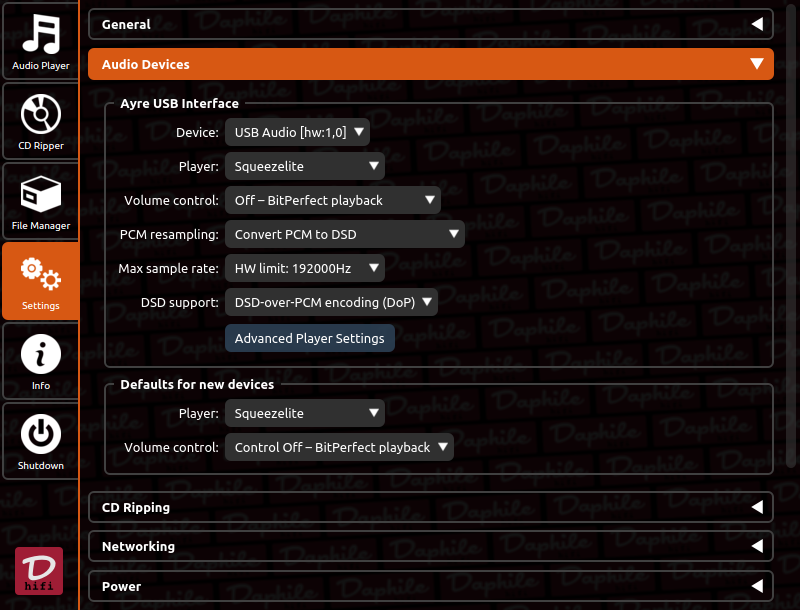
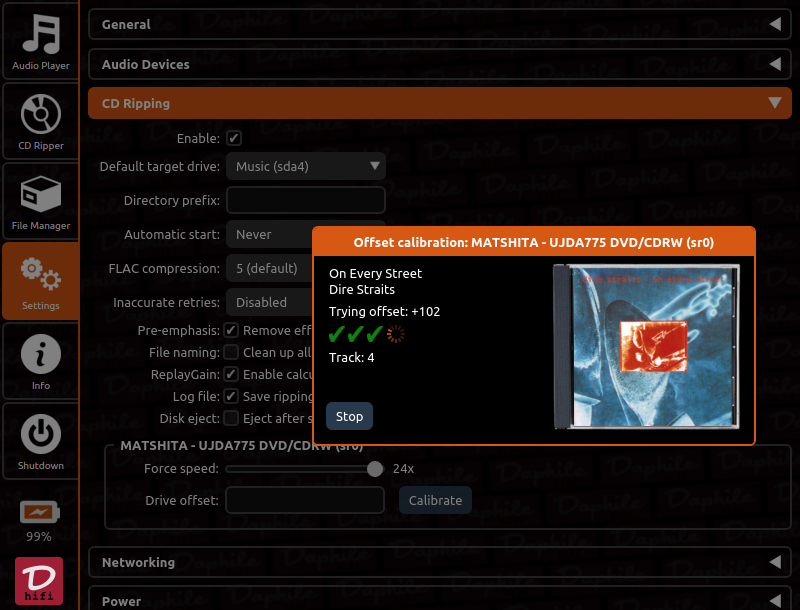
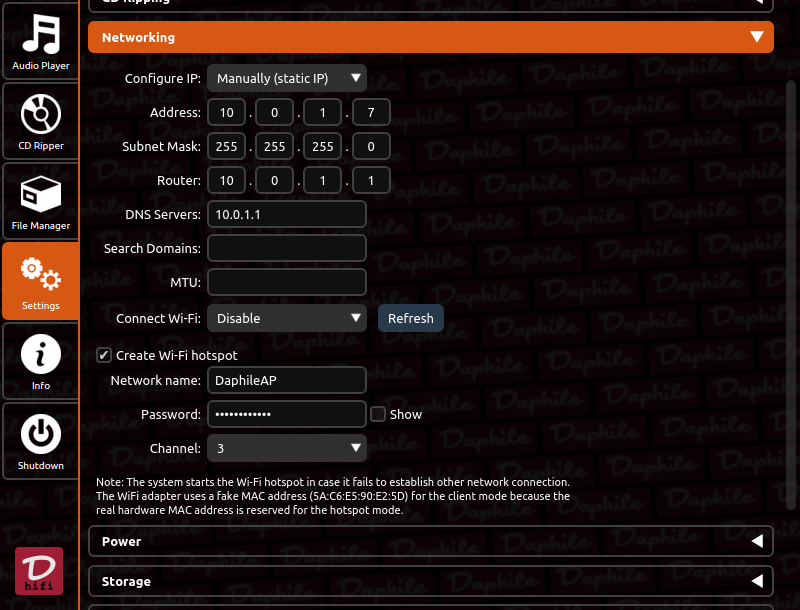
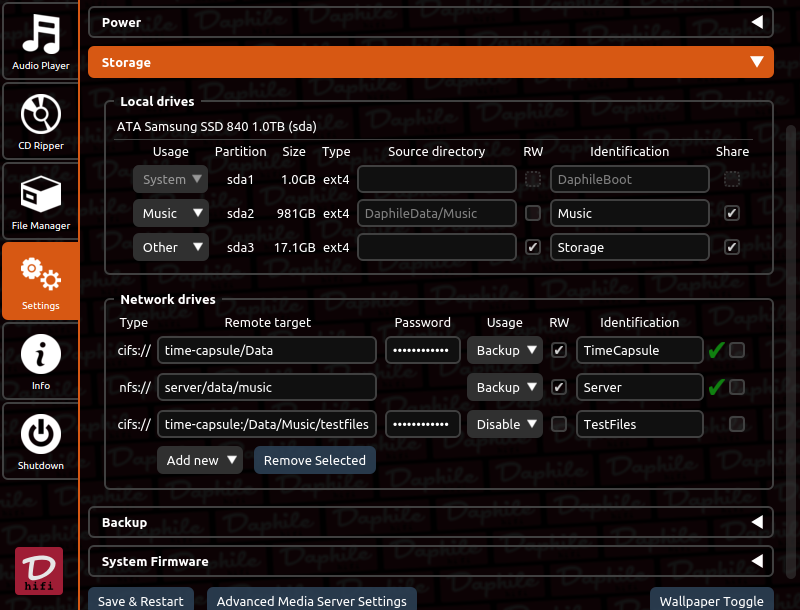
Daphile is based on the open source Squeezebox Server,
Squeezelite and Linux.
Since Daphile is used and
configured completely via the web interface the user is not
required to have any Linux skills.
Installation instructions
Frequently asked questions
DISCLAIMER