

MRE 220 SE
Unerschütterlich und doch flexibel
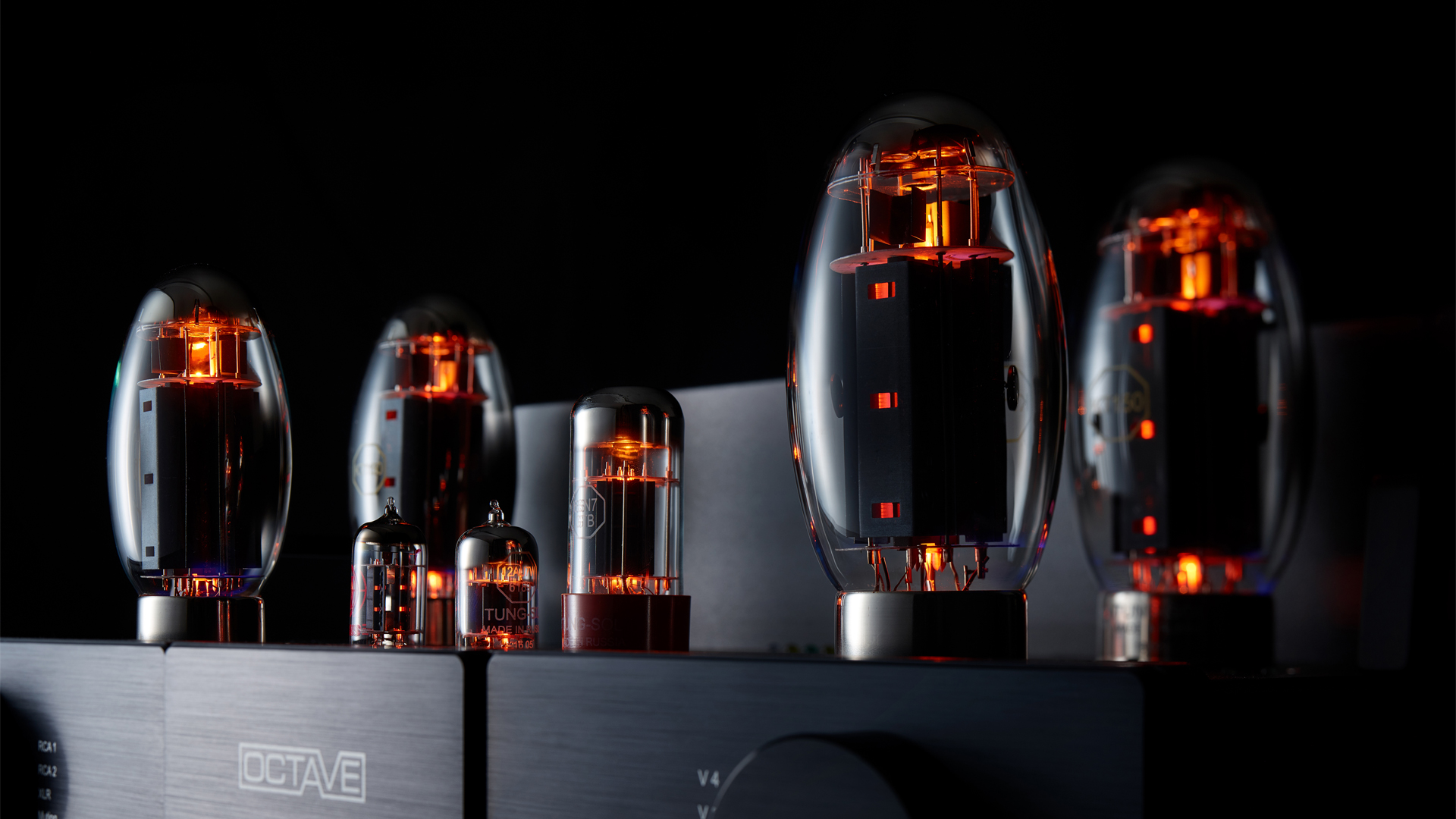
Unerschütterlich und doch flexibel
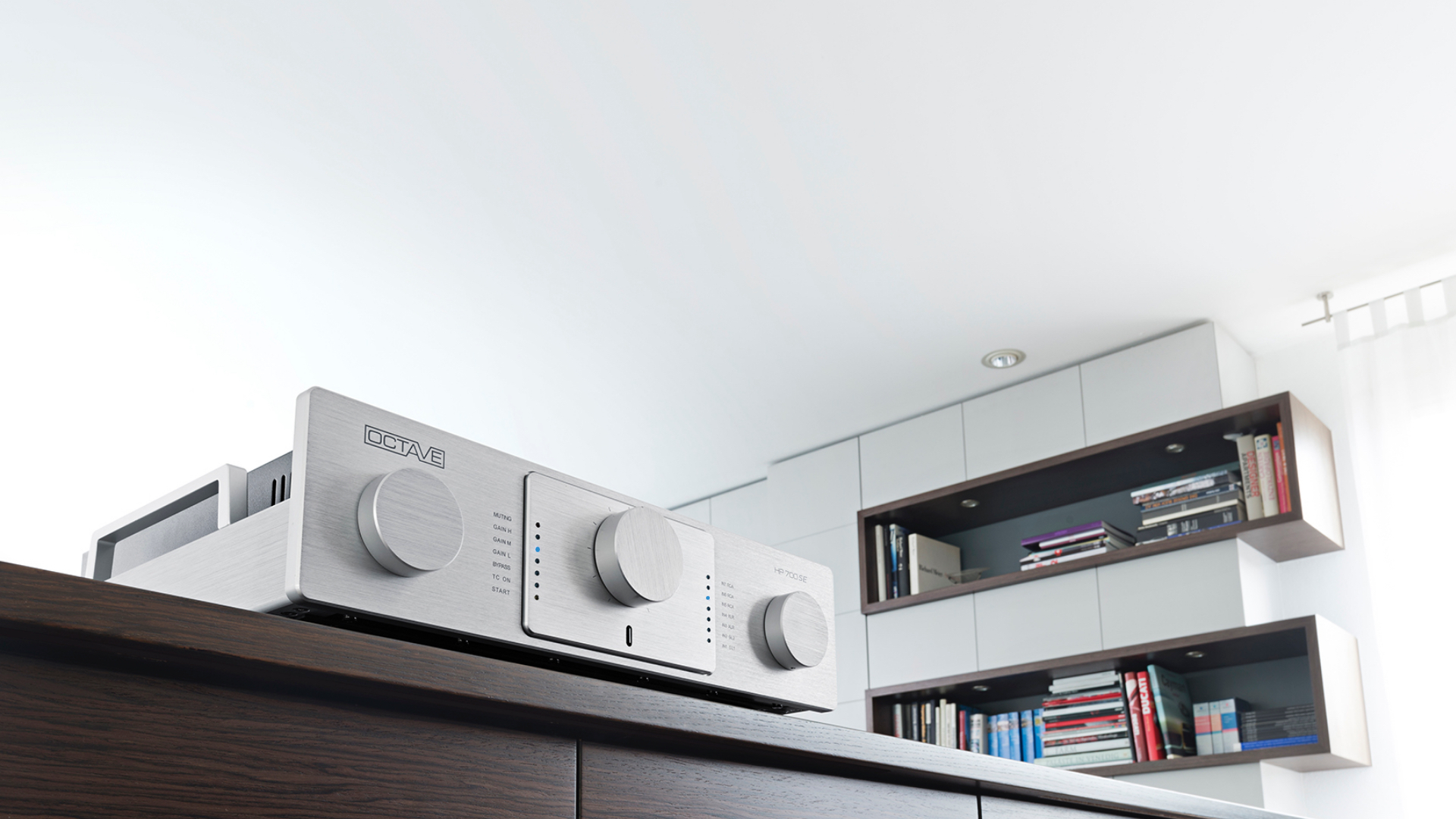

Der neue HP 700 SE ist ein Röhrenvorverstärker, der sowohl mit neuartiger Präzisionstechnologie aufwartet als auch mit klanglichen Verfeinerungen der Ausgangsstufe. cooking master boy tagalog dubbed hot
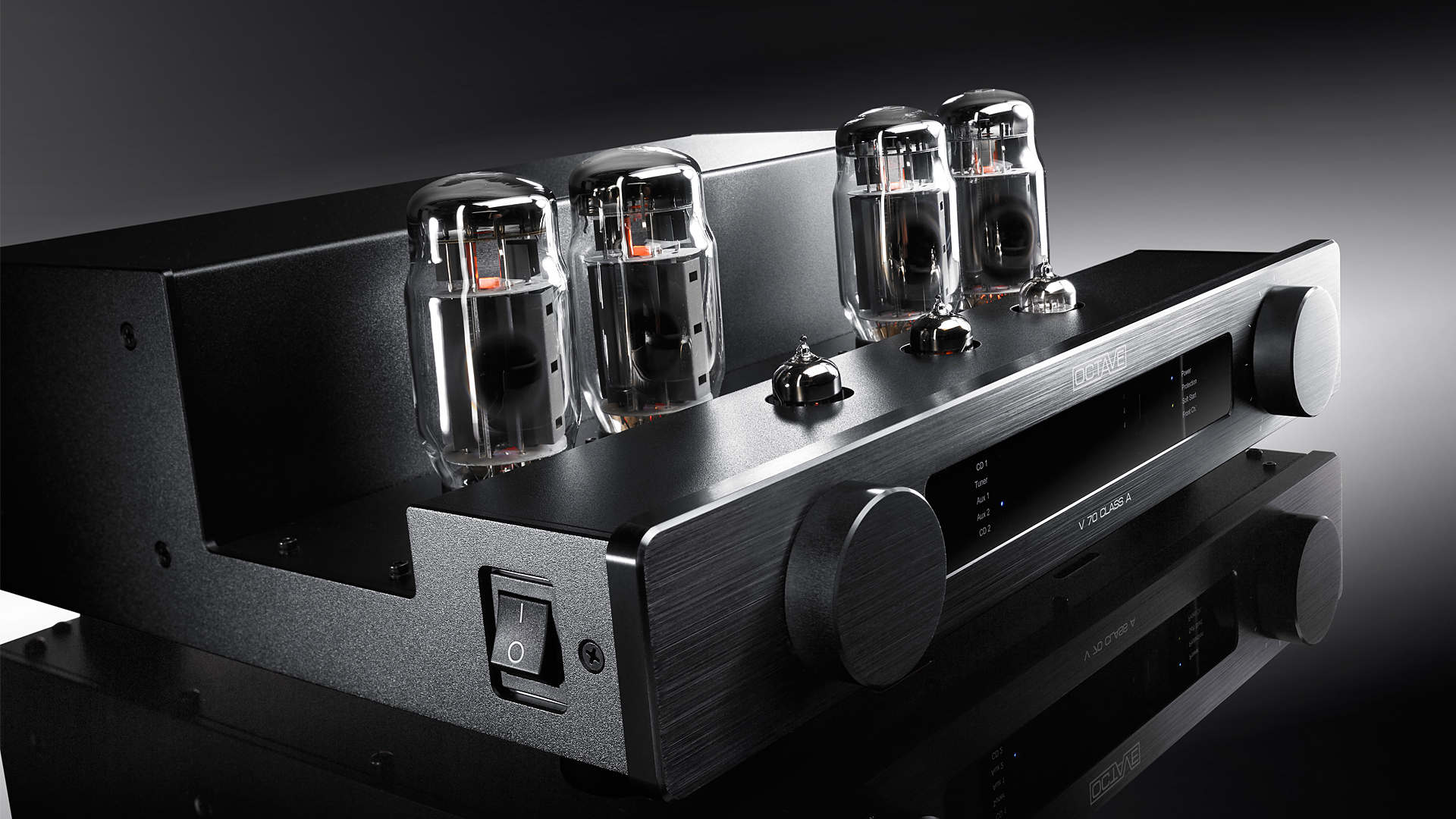
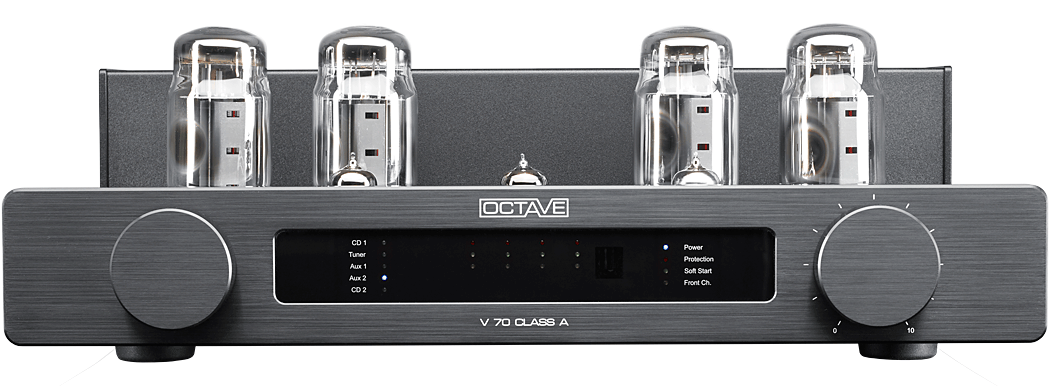
Erstmals ist ein Class-A-Verstärker eine klare Empfehlung für alle Musikrichtungen und ganz normale Lautsprecher. Along the way, he battles the Underground Cooking
Along the way, he battles the Underground Cooking Society—a dark organization aiming to control the nation through food. Mao is joined by a memorable cast of companions, including the fierce Meili, the boasting Shirou, and fellow legendary chefs like Shell and Leon. Why the Tagalog Dub Made It a Hit
Here are a few reasons why the Tagalog version is considered the ultimate way to experience this anime:
Cooking Master Boy " (originally Chūka Ichiban! ) is a classic 1997 anime that became a staple of Philippine television during the late 90s and early 2000s. The Tagalog-dubbed version, which famously aired on ABS-CBN and Hero TV, is remembered for its over-the-top culinary battles and dramatic reactions. Community Reviews & Perspectives
The voice actors delivered intense, passionate performances during the cooking explanations, making ingredients like brown sauce or seafood sound like legendary artifacts.
When judges take a bite of Mao's dishes, they don't just say "masarap" (delicious). They enter a state of pure euphoria. Dragons fly out of bowls, angels play harps, and judges shed tears of joy. These exaggerated reactions have become premium meme material on TikTok, Facebook, and YouTube, driving younger audiences to search for the classic Tagalog episodes. 3. The Quest for Retro Stream Links
Fans often reminisce about specific scenes that were made even better by the Tagalog dubbing:
Ang Cooking Master Boy, na kilala sa Japan bilang Chūka Ichiban! (中華一番!, “ China’s Number One! ”), ay isang Japanese manga series na isinulat at ginuhit ni Etsushi Ogawa. Ito ay inilathala sa Weekly Shōnen Magazine ng Kodansha mula Oktubre 1995 hanggang Nobyembre 1996. Isang 52-episode na anime adaptation ng Nippon Animation ang ipinalabas sa Fuji TV mula Abril 27, 1997 hanggang Setyembre 13, 1998. Sa Pilipinas, ang Tagalog dubbed na bersyon nito ay naging paborito ng maraming batang manonood at nananatiling iconic hanggang ngayon.
Cooking Master Boy proved that an anime did not need energy blasts or giant robots to be thrilling. Through the power of glowing food, flying ingredients, and a legendary Tagalog dub, it cemented itself as a timeless recipe in the hearts of Filipino anime fans.
Finding high-quality, complete archives of 90s Tagalog-dubbed anime is notoriously difficult. Many fans use these search terms to track down full episodes, highlight clips of the "Legendary Utensils," or compilations of the funniest dubbed moments hosted on video-sharing platforms. Key Highlights of the Tagalog Dub What makes the local version stand out down to this day?
Along the way, he battles the Underground Cooking Society—a dark organization aiming to control the nation through food. Mao is joined by a memorable cast of companions, including the fierce Meili, the boasting Shirou, and fellow legendary chefs like Shell and Leon. Why the Tagalog Dub Made It a Hit
Here are a few reasons why the Tagalog version is considered the ultimate way to experience this anime:
Cooking Master Boy " (originally Chūka Ichiban! ) is a classic 1997 anime that became a staple of Philippine television during the late 90s and early 2000s. The Tagalog-dubbed version, which famously aired on ABS-CBN and Hero TV, is remembered for its over-the-top culinary battles and dramatic reactions. Community Reviews & Perspectives
The voice actors delivered intense, passionate performances during the cooking explanations, making ingredients like brown sauce or seafood sound like legendary artifacts.
When judges take a bite of Mao's dishes, they don't just say "masarap" (delicious). They enter a state of pure euphoria. Dragons fly out of bowls, angels play harps, and judges shed tears of joy. These exaggerated reactions have become premium meme material on TikTok, Facebook, and YouTube, driving younger audiences to search for the classic Tagalog episodes. 3. The Quest for Retro Stream Links
Fans often reminisce about specific scenes that were made even better by the Tagalog dubbing:
Ang Cooking Master Boy, na kilala sa Japan bilang Chūka Ichiban! (中華一番!, “ China’s Number One! ”), ay isang Japanese manga series na isinulat at ginuhit ni Etsushi Ogawa. Ito ay inilathala sa Weekly Shōnen Magazine ng Kodansha mula Oktubre 1995 hanggang Nobyembre 1996. Isang 52-episode na anime adaptation ng Nippon Animation ang ipinalabas sa Fuji TV mula Abril 27, 1997 hanggang Setyembre 13, 1998. Sa Pilipinas, ang Tagalog dubbed na bersyon nito ay naging paborito ng maraming batang manonood at nananatiling iconic hanggang ngayon.
Cooking Master Boy proved that an anime did not need energy blasts or giant robots to be thrilling. Through the power of glowing food, flying ingredients, and a legendary Tagalog dub, it cemented itself as a timeless recipe in the hearts of Filipino anime fans.
Finding high-quality, complete archives of 90s Tagalog-dubbed anime is notoriously difficult. Many fans use these search terms to track down full episodes, highlight clips of the "Legendary Utensils," or compilations of the funniest dubbed moments hosted on video-sharing platforms. Key Highlights of the Tagalog Dub What makes the local version stand out down to this day?